
You’re good at helping people think. Friends already call you before big decisions. Now you’re wondering whether that could be a business.
It can. Here’s what you need to start well in the UK.
The honest bit first
Coaching isn’t a regulated profession in the UK, so anyone can call themselves a coach. That means your clients are trusting you to be clear about what you do and what you don’t. Training and supervision are worth considering, and so is being upfront about them.
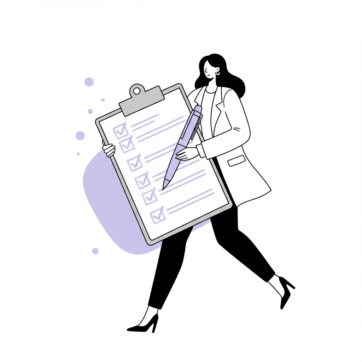
The setup checklist
- Register the business. As a sole trader with HMRC, or as a limited company. (See our UK registration guide.)
- Data protection. You’ll hold personal information about clients, so check whether you need to pay the ICO data protection fee. The ICO has a short online self-assessment that tells you.
- A simple contract. Cover what’s included, how to reschedule, how payment works, and confidentiality.
- A privacy notice on your website.
Your first offer
Start with one offer, for one kind of person, solving one problem. You can widen it later. A clear offer is easier to explain, easier to price and easier to deliver.
Build it around your actual week
Most launch advice assumes empty days. If your days have a school run in them, design for that.
- Decide your client hours first, then build the offer to fit.
- Batch admin into one block a week.
- Leave space for the weeks when someone’s off sick.
One useful step
Write your available client hours for a normal week. Then halve them. That’s your realistic starting capacity.
If you’d like help shaping your first offer, a Freedom By Design Strategy Session (£397) gives you two hours with Carlene and a 90-day Freedom Blueprint.
What would your coaching business look like if it fitted the life you have now?
Thank you for taking the time to read. Stay tuned for more!